

As more people turn to Mounjaro (tirzepatide) for effective and sustainable weight loss, questions about lifestyle adjustments — particularly around alcohol consumption — have become increasingly common. While enjoying the occasional drink is a normal part of social life for many, it’s important to understand how alcohol interacts with weight loss medications and your overall health.
At Manchester Weight Loss Clinic, our goal is to help patients make informed, safe decisions while on their treatment journey. This includes understanding how Mounjaro and alcohol can affect your body and how to manage both responsibly.
An Introduction to Mounjaro
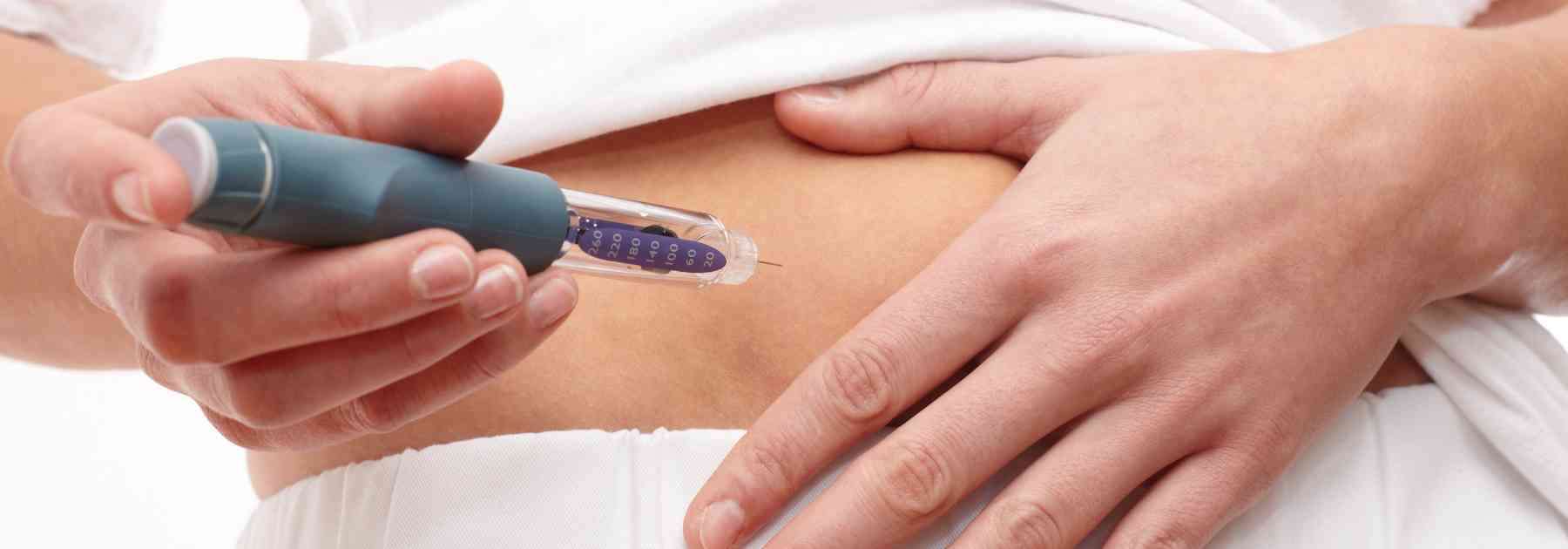
Mounjaro is a once-weekly injectable medication that helps regulate blood sugar and appetite by mimicking two natural hormones — GLP-1 and GIP. Originally developed to treat type 2 diabetes, it has been shown to support significant weight loss in both diabetic and non-diabetic patients.
By targeting multiple pathways related to metabolism, appetite control, and energy balance, Mounjaro helps reduce food cravings and improves your body’s ability to process glucose efficiently.
How Alcohol Affects the Body
Alcohol can have a range of effects on the body, from mild relaxation to more serious consequences, depending on how much and how often you drink. It affects your metabolism, hydration, and blood sugar levels — all factors that are also influenced by Mounjaro.
When you drink alcohol, your body prioritises breaking down ethanol (the main ingredient in alcoholic beverages) over other metabolic processes, including fat burning. This means that excessive drinking can interfere with your weight loss progress and overall health goals.
Can You Drink Alcohol While Taking Mounjaro?
There isn’t an absolute restriction against consuming alcohol while on Mounjaro, but moderation and awareness are key. Combining Mounjaro and alcohol can increase certain risks, especially if you have diabetes or other underlying health conditions.
Because both Mounjaro and alcohol affect blood sugar regulation, drinking can lead to fluctuations that may cause dizziness, fatigue, or even hypoglycaemia (low blood sugar) in some individuals. Additionally, alcohol is high in calories and can stimulate appetite, potentially undermining your weight loss efforts.
Potential Risks to Consider
- Low Blood Sugar (Hypoglycaemia): Alcohol can lower blood sugar, especially when consumed on an empty stomach or in excess.
- Nausea and Vomiting: Mounjaro can cause gastrointestinal side effects that alcohol may worsen.
- Dehydration: Both alcohol and Mounjaro can contribute to dehydration, increasing fatigue or dizziness.
- Increased Appetite: Alcohol often leads to overeating or poor food choices, counteracting the appetite-suppressing effects of Mounjaro.
While a small amount of alcohol may be safe for many people taking Mounjaro, it’s always best to consult your healthcare professional before drinking, especially if you’re new to the medication or still adjusting your dosage.
Tips for Drinking Safely on Mounjaro
If you choose to drink alcohol while taking Mounjaro, follow these tips to reduce potential risks and maintain your health goals:
- Drink in moderation: Limit yourself to one or two drinks on any occasion.
- Avoid drinking on an empty stomach: Always eat a balanced meal before consuming alcohol to prevent blood sugar dips.
- Stay hydrated: Alternate alcoholic drinks with water to avoid dehydration.
- Be mindful of calories: Choose lower-calorie options such as wine spritzers, light beer, or spirits with sugar-free mixers.
- Monitor your response: Pay attention to how your body reacts to alcohol while on Mounjaro and stop if you experience side effects.
By making mindful choices, you can still enjoy social occasions while staying on track with your health and weight management goals.
How Alcohol Can Affect Weight Loss Results
One of the biggest challenges when combining Mounjaro and alcohol is that alcohol can slow your progress. Even moderate drinking adds empty calories to your diet and can interfere with fat metabolism. It also affects sleep quality, which plays a major role in appetite regulation and recovery.
Furthermore, alcohol can impact your motivation and decision-making, making it harder to stick to healthy routines or dietary plans. While an occasional drink may not derail your efforts, regular or heavy drinking can significantly reduce the effectiveness of your Mounjaro treatment.
When to Avoid Alcohol Completely
In some cases, it’s best to avoid alcohol altogether while on Mounjaro. This may apply if you:
- Have a history of liver disease or pancreatitis
- Are diabetic and prone to hypoglycaemia
- Are experiencing strong side effects from Mounjaro such as nausea or vomiting
- Are in the early stages of treatment or adjusting to a higher dosage
In these scenarios, even small amounts of alcohol could pose health risks or worsen existing side effects. Always discuss your individual situation with a medical professional before making any decisions about alcohol consumption.
Safe, Sustainable Weight Loss with Expert Guidance
At Manchester Weight Loss Clinic, we understand that achieving and maintaining a healthy weight is about balance — not restriction. Our clinicians provide personalised advice to help you get the most from your Mounjaro treatment, including lifestyle guidance on nutrition, activity, and alcohol use.
Whether you’re just starting your weight loss journey or looking for ongoing support, our expert team is here to guide you towards sustainable, long-term results in a safe and supportive environment.
Book now to speak with one of our specialists and get tailored advice on managing Mounjaro, alcohol use, and your overall health goals.
This blog was written on behalf of Manchester Weight Loss Clinic by Pharmacy Mentor.